AIGC Reshapes the Audiovisual Industry Ecosystem
On April 17, during the 16th Beijing International Film Festival’s core industry forum, Zhao Chunyan, General Manager of Shichuang Langyuan and Head of the Beijing AIGC Audiovisual Industry Innovation Center, officially announced the AIGC audiovisual industry’s comprehensive innovation ecosystem. This initiative introduces five core measures aimed at constructing a sustainable, perceptible, consumable, and communicable cultural IP market. The measures include: AI full-stack technology supply, AIGC-OPC creative talent supply, audiovisual data asset security, leveraging resources for IP transformation, and expanding the boundaries of audiovisual content.
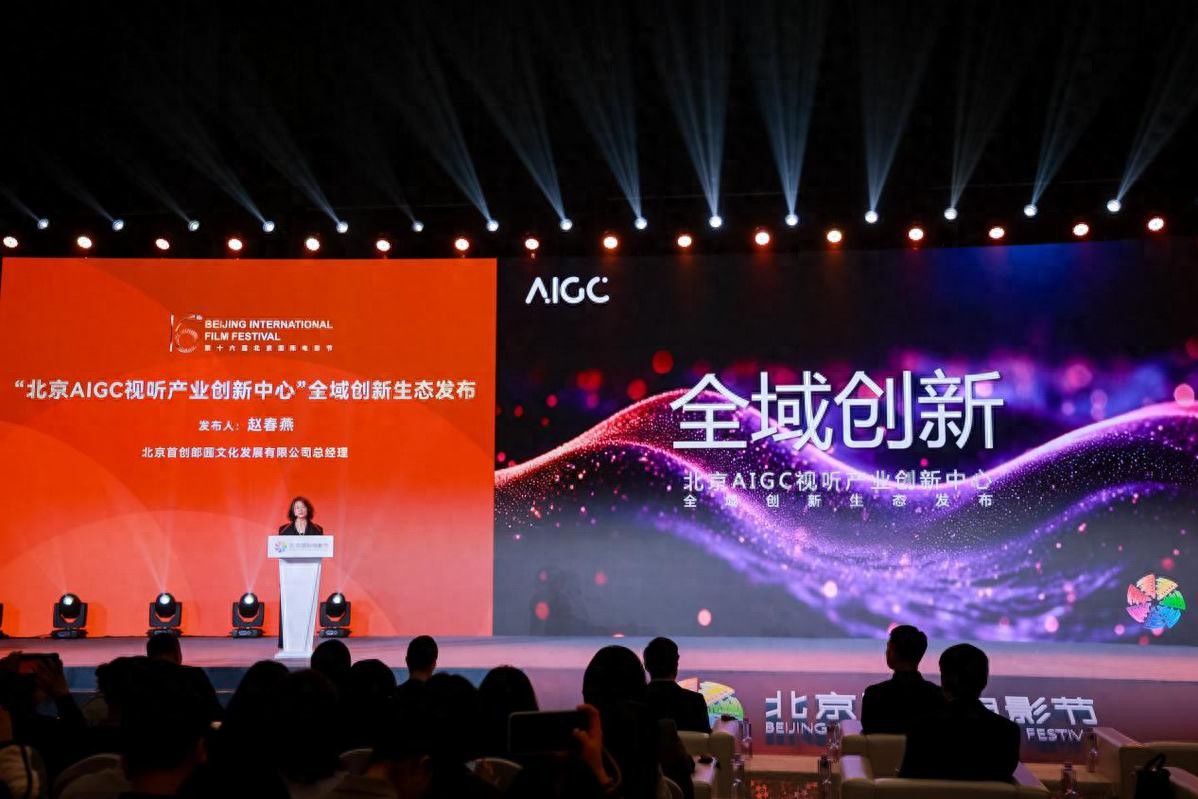
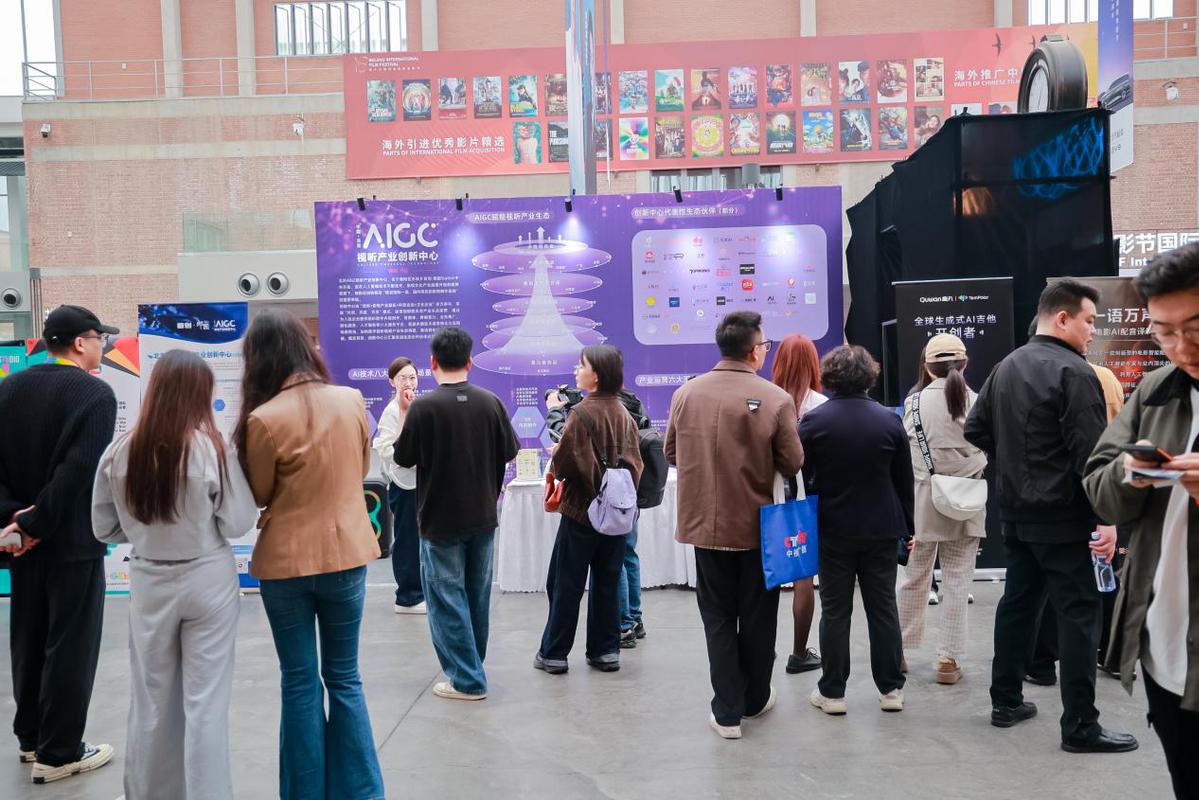
The Beijing AIGC Audiovisual Industry Innovation Center, guided by the Beijing Municipal Radio and Television Bureau and the Chaoyang District Government, is built on a foundation of 100,000 cultural enterprises and 3,200 film and television companies in Chaoyang. It serves as an open and shared public service platform for the entire industry. By 2025, it will launch six major service platforms focusing on intelligent computing power, intelligent production, audiovisual digital content creation, incubation services, talent services, and business promotion. Currently, the innovation center has gathered over 100 technology and film enterprises, including China Film AI, Alibaba Cloud, Huawei Cloud, Youku, iQIYI, and others, along with 12 top universities and national research institutes, forming a comprehensive industrial ecosystem covering computing power, audiovisual data supply, video models, AI technology tools, and application demonstration scenarios.
Shichuang Langyuan, as the operational entity of the Beijing AIGC audiovisual industry innovation ecosystem, aims to leverage the rich cultural consumption resources of Chaoyang District. It closely collaborates with the district government to promote the scene-based and commercial transformation of premium cultural IP, creating a sustainable and communicable cultural IP market ecosystem. Additionally, it is expanding into new content areas such as XR, interactive film and games, and naked-eye 3D technologies to enrich audiovisual forms and broaden content boundaries.
According to the announcement, Chaoyang District has cultivated AIGC intelligent platforms like Nianlun AI and Nano AI, forming a full-stack technological support system from algorithm models to content production tools. This provides efficient intelligent production solutions for film, animation, short videos, and digital performances, significantly lowering creative barriers and enhancing production efficiency. The district government has also introduced a special support fund of 150 million yuan annually for the high-quality development of the cultural industry, with part of it aimed at supporting AIGC public technology service platforms, offering up to 30% and 2 million yuan in funding subsidies for eligible AIGC technology R&D and application projects.
In terms of talent supply, the AIGC and audiovisual OPC super-creative talent platform, operated by Shichuang Langyuan, has established a full-cycle cultivation system. It has served over 500 enterprises and connected more than 5,000 creators, collaborating with 12 universities and nearly 200,000 students and faculty. Through initiatives like computing power subsidies, creative workshops, investment roadshows, policy application guidance, and business order matching, it aims to build a talent reservoir for the AI audiovisual industry, supplying composite talents such as AI screenwriters, AI directors, digital artists, and AI technical engineers, thus solidifying the industry’s talent foundation.
Data security and standard construction are also progressing simultaneously. Shichuang Langyuan is working with Beijing Data Group and CCTV Yicheng to explore mechanisms for the development and utilization of audiovisual data resources, promoting compliant circulation and value transformation. It is also collaborating with the China Broadcasting Union and the Academy of Broadcasting Science to advance the establishment of evaluation standards and industry governance standards for AIGC-generated content, aiming to create a regulatory framework for the AIGC audiovisual industry.
The comprehensive support for IP transformation and scene innovation continues to make breakthroughs. Leveraging the rich cultural consumption resources of Chaoyang District, the innovation center will work closely with the district government and various cultural landmarks to combine events like temple fairs, light festivals, craft beer festivals, performance economies, and cultural IP markets. This will drive the scene-based and commercial transformation of IP content through a four-dimensional approach involving policy, funding, space, and traffic. It will also establish three cutting-edge audiovisual technology R&D laboratories focusing on XR, interactive film and games, and naked-eye 3D, expanding into new interactive audiovisual and immersive content areas, creating innovative works that resonate with the times and broadening the boundaries of audiovisual content.
A representative from Shichuang Langyuan stated that the decades of cultural heritage and resource endowment in Chaoyang District provide fertile ground for the AIGC audiovisual industry. The innovation center will continue to play a pivotal role in connecting industry, academia, research, and application, promoting deep integration of culture and technology, allowing “the roots of culture to give birth to the fruits of technology.” In the future, the Beijing AIGC audiovisual industry center will keep its ecological resources open, welcoming more enterprises, AIGC super-creatives, and audiovisual OPC institutions to join the collaborative innovation alliance, building a comprehensive collaborative innovation ecosystem for the AIGC audiovisual industry and achieving mutual benefits in the intelligent audiovisual new era.
Simultaneously, the innovation center, along with partners like the China Film Artificial Intelligence Research Institute, Yitong Film, Beijing Zhiju, Quwan Technology, and Dinosaur Film, showcased a variety of experiences at this year’s Beijing Film Festival, including an intelligent film review system, a film scene atmosphere design assistant system, an AIGC short film creative system, an AI dubbing and translation system, a naked-eye 3D trailer for “10 Rooms of Death Squad,” and live AI guitar performances, allowing the industry and the public to closely perceive the impact of new technologies on the film and television industry.
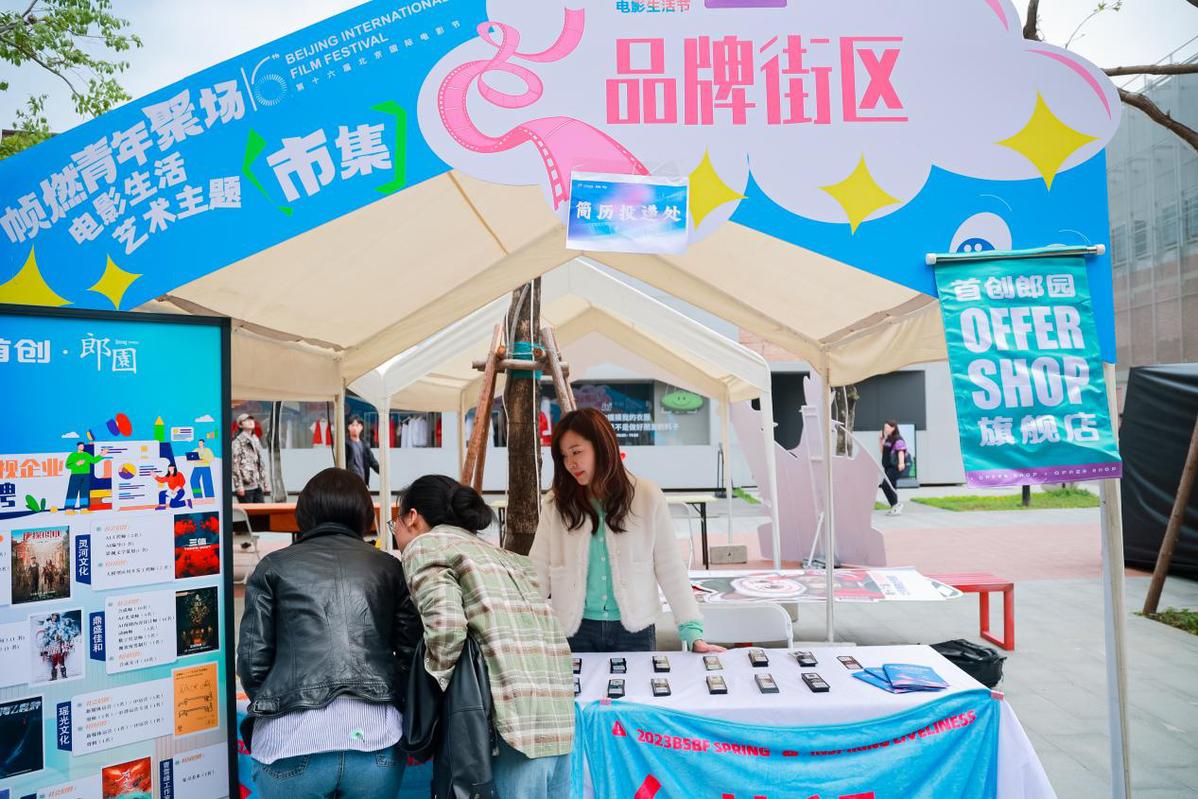
Additionally, the 600 square meter AIGC audiovisual industry innovation application special exhibition at Shichuang Langyuan Station has opened, providing a one-stop understanding of the current AI technology applications across various sectors such as cinema, series, 3D animation and games, XR, short dramas, comic dramas, 2D animation and games, advertising, live e-commerce, and cultural tourism. Activities focusing on AI creation and talent exchange, such as the Keli AI Creator Workshop and Shichuang Langyuan “Offer Shop 3.0” are also being held at this year’s Beijing Film Festival.
Comments
Discussion is powered by Giscus (GitHub Discussions). Add
repo,repoID,category, andcategoryIDunder[params.comments.giscus]inhugo.tomlusing the values from the Giscus setup tool.